
-

What is WPA3? A simple guide to stronger Wi-Fi security
Wi-Fi Protected Access 3 (WPA3) is the latest generation of the WPA security standard used to protect Wi-Fi networks. It secures wireless connections by encrypting data between your devices and router...
-
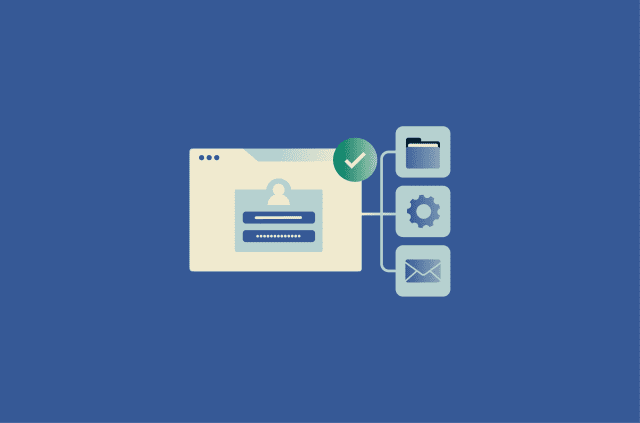
What is SSO and why it matters for secure, seamless access
Managing access across multiple systems is now a baseline requirement for most organizations, with users moving between cloud apps, internal tools, and external services throughout the day. Single sig...
-
The hidden retention crisis in open source (and how FOSSASIA is solving it)
I spent the weekend watching young developers at a FOSSASIA hackathon do something that would likely trigger an HR review in the corporate world: they were actively helping their competitors. When one...
-
How to prevent a data breach: Practical ways to protect your business and personal data
Data breaches can expose sensitive information, including personal data, financial records, and login credentials, often resulting in financial loss, legal consequences, and reputational damage. They ...
-

WannaCry ransomware explained: The attack that changed cybersecurity
In May 2017, ransomware known as WannaCry spread rapidly across computer networks worldwide. Within hours, hospitals, manufacturers, telecommunications providers, and government agencies were dealing ...
-
What is bcrypt, and why does it matter for password security?
Passwords remain one of the weakest links in online security. bcrypt is a widely used password hashing function that helps protect stored passwords by using a salt and a configurable work factor to ma...
-
We bet big on Rust. But what does it actually take to keep it alive?
When we tore down our Lightway protocol last year and rebuilt it from scratch in Rust, the engineering logic was airtight. We wanted absolute memory safety. We wanted a codebase that security auditors...
-

Cyber espionage explained: How cyber spying works and how to strengthen digital defenses
Cyber espionage occurs when an unauthorized actor uses digital networks, systems, or services to gather information, often for political or economic advantage. As more information is created, stored, ...
-
What is DNS over HTTPS (DoH) and how does it work?
DNS over HTTPS (DoH) sends Domain Name System (DNS) queries using HTTPS, the secure web protocol also used for encrypted website connections. That helps protect DNS traffic from being read or altered ...
-

Credential dumping explained: How to detect and prevent it
When attackers break into an organization, they often aren’t after one machine or files on it. They’re after the credentials: the usernames, passwords, and authentication tokens that unlock everyt...
Cybersecurity