
ExpressVPN and Currensea launch travel partnership as research reveals a public Wi-Fi trust gap


The partnership brings together smarter travel spending and stronger online privacy, with an exclusive ExpressVPN offer for eligible Currensea cardholders.
Travellers usually prepare carefully for the financial side of a holiday. They compare exchange rates, check card fees, arrange insurance and decide how they’ll pay once they arrive.
The digital side often receives less attention. A traveller may scrutinise an unfamiliar card payment while connecting without hesitation to a network bearing the name of a venue they recognize. Once online, they may open email, access work files, approve payments or sign in to accounts protected by passwords they’ve used elsewhere.
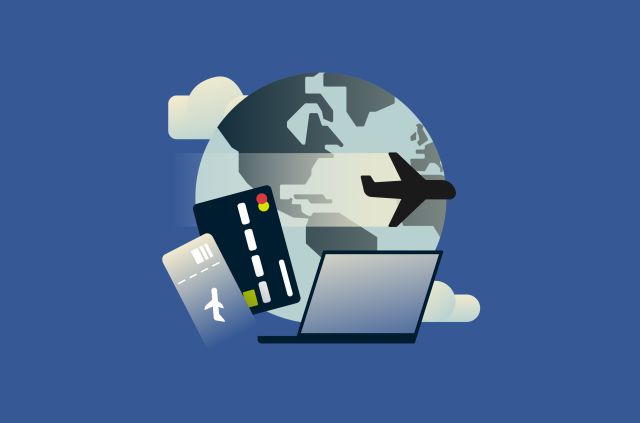
ExpressVPN is partnering with Currensea, the UK’s top-rated travel spending card, to help travellers think about how they connect as carefully as how they spend. This is the first time ExpressVPN has partnered with a travel payments product, reflecting the growing role that online privacy and security play throughout the travel journey.
A travel partnership built around trust
Currensea connects to a customer’s existing bank account and works with all major UK banks, allowing customers to spend abroad without switching accounts or topping up a separate card. By eliminating the high foreign exchange markups added by high street banks, Currensea has saved cardholders over £13 million in fees. The card can be used in all 180 currencies and wherever Mastercard is accepted.
ExpressVPN protects the internet connection travellers use to manage the rest of their digital lives. A VPN encrypts traffic between a device and the VPN server, which is particularly useful when connecting through shared networks in public spaces.
Together, Currensea and ExpressVPN support two closely connected parts of the modern travel experience. Currensea helps customers manage overseas spending with greater clarity, while ExpressVPN helps protect their online activity when they’re away from trusted home networks.
“Travellers want spending abroad to feel simple, secure and easy to manage,” says James Lynn, Co-founder and CEO at Currensea. “Currensea already helps cardholders get great exchange rates abroad with no need to pre-load money or open a new account. Our partnership with ExpressVPN gives Currensea cardholders another valuable travel benefit by helping them protect their online activity while they’re away.”
“Travel changes the way we use technology,” says Zac Eller, GM, Global Partnerships at ExpressVPN. “We connect to unfamiliar networks, access important accounts away from home and often make decisions quickly. This partnership gives Currensea customers a practical way to prepare for those moments before they travel.”
Familiar Wi-Fi names can create a false sense of security
Research commissioned by ExpressVPN ahead of the FIFA World Cup 2026™ examined how football fans use public Wi-Fi and manage their passwords while travelling. Although the original studies focused on football supporters, the findings reveal habits that extend well beyond matchdays.
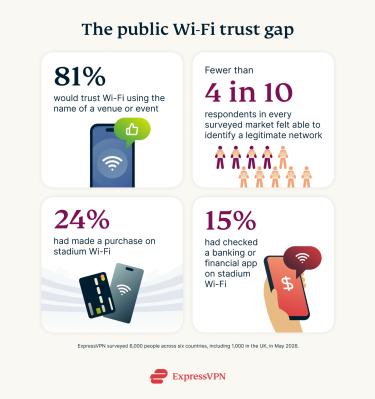
The research found a striking gap between the networks people are willing to trust and their confidence in recognising a legitimate one. More than four in five UK respondents, 80.6%, said they would be likely to trust and connect to public Wi-Fi if it used the name of a venue or event they were attending. Yet across every country surveyed, fewer than four in 10 respondents believed they could reliably distinguish a legitimate public network from a fake one.
That matters because public Wi-Fi is often used for much more than casual browsing. Among UK respondents, 56.9% had logged into social media while using stadium public Wi-Fi, 25.4% had accessed email, 23.8% had made a purchase, and 15% had checked a banking or financial app.
A familiar name can feel reassuring when it appears to match the place or event someone is visiting, but it doesn’t confirm who operates the hotspot. Someone nearby can create a network with a similar name in the hope that travellers will connect to it.
This doesn’t mean that every public network is unsafe. Travellers should still verify which network belongs to the venue before using it, particularly when signing in to accounts containing financial, personal or work information.
“A network carrying the name of a venue may look official, but the name alone can’t prove that,” says Eller. “Travellers should confirm the correct network with the venue and protect their connection before opening sensitive accounts.”
Travellers also carry risky password habits with them
The connection is only one part of the security picture. The password entered after connecting can create a much wider risk, especially when the same credentials protect several accounts.
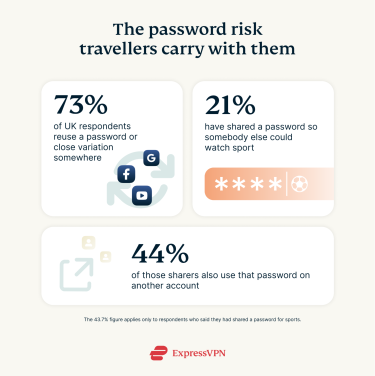
ExpressVPN’s password research found that 73.3% of UK respondents reused the same password, or a close variation, on at least one other account. This broad figure includes people who said they reused passwords on only a very small number of accounts, although it still shows how easily one exposed credential can reach into other parts of someone’s digital life.
Password sharing creates another route for credentials to travel. More than one in five UK respondents, 21.3%, had shared a password so somebody else could watch sport. Among that group, 43.7% said the same password was also used on another account, such as email, online shopping or banking.
The distinction matters. The research doesn’t show that 43.7% of all UK respondents reused a shared password. It shows that the behaviour occurred among the smaller group who had already shared one.
Travel can make the consequences more disruptive. Email often acts as the recovery route for accommodation, airline, payment and social accounts. When the same password protects several services, one successful login may give an attacker a route into accounts that appear unrelated.
A shared password can also remain on another person’s device, in a message thread or inside a browser long after the reason for sharing it has passed. The account holder may have little idea where it has been stored or whether it has been passed on again.
Six ways to protect your money, accounts and data while travelling
Travellers can reduce much of this exposure with a few checks before departure. Making these preparations at home is easier than trying to change a password, recover an account or contact a provider while moving through an unfamiliar country.
1. Confirm the official Wi-Fi network
Check the official network name with the venue before connecting. Pay attention to duplicate names, unexpected login pages and small spelling differences.
Turn off automatic connection to open networks so your phone or laptop doesn’t join one simply because it has been used before or appears familiar.
2. Use a VPN on shared networks
Connect to ExpressVPN before accessing email, work platforms, travel bookings or other sensitive accounts over a shared network.
A VPN encrypts traffic in transit, although it can’t make a fraudulent site genuine. Travellers should still check website addresses, avoid unexpected login links and take security warnings from the browser or device seriously.
3. Use mobile data when the network doesn’t look right
Mobile data or a personal hotspot may be the better option when the official network can’t be confirmed, particularly when approving a payment, changing a password or accessing an important financial account.
Public Wi-Fi is useful for many everyday activities, but convenience shouldn’t outweigh uncertainty when the action involves sensitive information.
4. Replace reused passwords before travelling
Give important accounts their own passwords, starting with email, banking, messaging, cloud storage and travel services. Email deserves particular attention because it can often be used to reset access to several other accounts.
A password manager can generate and store long, unique credentials without requiring the traveller to remember every one. Passkeys also provide a phishing-resistant alternative where supported.
Any password shared with another person should be treated as no longer private. It shouldn’t match the password used for email, banking, shopping or any other important account
5. Turn on two-step verification
Multi-factor authentication adds another check when someone tries to sign in with a password. It can stop an exposed password from being enough on its own.
Before travelling, make sure verification methods will continue to work abroad. Travellers should also save recovery or backup codes somewhere secure and separate from the phone they may need to recover.
6. Prepare for a lost phone or card
Know how to lock or locate a phone remotely, freeze a payment card and contact important providers. Keep contact details and recovery information somewhere other than the device that could go missing.
Currensea cardholders can freeze their card in the app, set card spending limits and receive notifications showing the value of transactions in local currency and pounds. Currensea also provides Mastercard chargeback rights where applicable.
An exclusive ExpressVPN offer for Currensea cardholders
Protecting a trip involves more than arranging how to pay abroad. Travellers also rely on devices, connections and accounts throughout the journey, often while moving between unfamiliar networks.
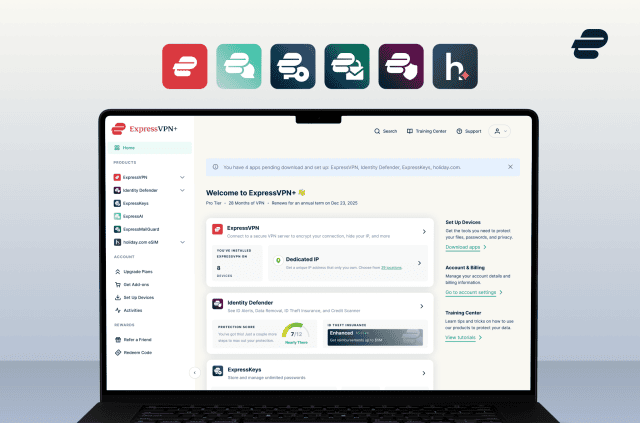
The ExpressVPN and Currensea partnership brings those preparations together. Eligible Currensea cardholders can access an exclusive ExpressVPN subscription offer through Currensea’s app, website and customer communications.
“Our customers use Currensea because they want spending abroad to be straightforward and transparent,” says James Lynn. “The ExpressVPN offer extends that thinking to the online side of travel, giving cardholders another practical way to prepare before they leave home.”
Get more protection for your next trip
Currensea cardholders can receive:
- 18 months of ExpressVPN for the price of 12
- An additional exclusive Currensea member discount
- ExpressVPN protection across supported phones, laptops, tablets and other devices
- Access to the privacy and security services included in the selected ExpressVPN plan
Claim the Currensea Member Offer here
This is a special time-limited offer for Currensea users to get 18 months of ExpressVPN for the price of 12.
Research methodology
ExpressVPN commissioned two online surveys with Pollfish in May 2026. Each survey questioned 6,000 people who followed football closely or casually, with 1,000 respondents in each of the United States, United Kingdom, France, Germany, Spain and Australia. Some questions were asked only of relevant subgroups, including people who had shared a password or used football-related information in a password.